
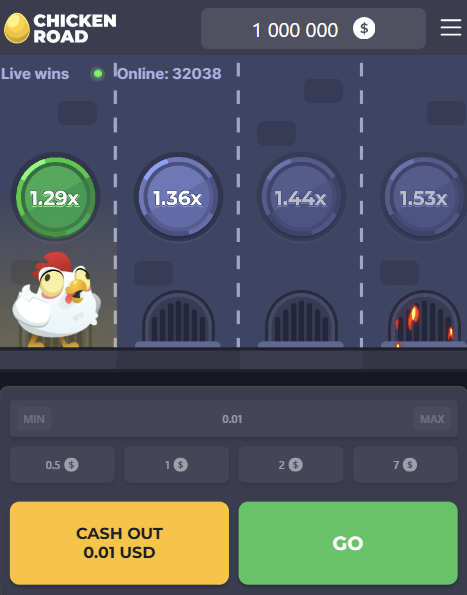
Chicken Road is a one-time payout game about a chicken traversing a busy road. It is not a standard reel slot with paylines. Quick spin is a tempo adjustment: it shortens or removes some graphics and approval steps so rounds resolve faster, while the underlying risk and reward structure remains the same. This article explores how quick spin affects the experience, how the track-based gameplay works, what RTP and volatility mean here, how bet limits and win caps need verification, and which bonus-type mechanics actually appear. It also describes useful steps for using quick spin safely and identifies when standard speed is the better choice. The aim is a concise, checkable review rather than advertising. Exact figures should be verified on the official game page because versions can differ. That difference matters before any stake is placed.
Theoretical payout Volatility and Exposure
Theoretical payout and volatility need careful analysis in a collect game. RTP represents the theoretical return over a large number of rounds, not the performance you should predict in a single session. Risk level is not so stable than in a reel slot because you manage when to cash out: cashing early usually produces more modest, more common victories, while delaying for later paths targets bigger payout multiples with a greater probability of forfeiting the stake. Fast spin does not change either indicator, but it can increase the quantity of decisions performed per hour, which makes fluctuation seem more intense. Verify specific RTP figures on the authorized page or game information panel, because different releases or platform configurations may publish divergent values. If no value is displayed, treat the game as unchecked rather than assume a positive value.
Cash-Out and Risk Level
Withdrawal point is the primary volatility dial. A gambler who collects after one or two safe moves takes on a low-risk profile with small payout multiples. A player who presses toward the distant side assumes a speculative profile for a likely greater reward. This selection is taken within each play, so two gamblers with the equal stake can encounter different volatility. Quick spin reduces the duration between those choices, which can lead to impulsive choices. A sensible reaction is to decide the collect multiplier value before starting and to keep the bet amount constant rather than raising it after a loss. Check the game’s listed guidelines for any max win limit, because a cap can alter the effective value of bold objectives. These verifications take little time and make the risk outline easier to understand. That transparency supports improved boundaries.
Wager Range, Top Prize, and Preparation
Wager Management
Bet ranges in games of this type are typically set by the edition and system, so there is no standard minimum or maximum to cite without confirmation. The official page should show the available stake options, any table limits, and the top prize rule. Pick a stake that is comfortable across many quick rounds, not one that only works for a single attempt. Since quick spin can raise the round count completed in a brief session, adjust the stake against an hourly budget rather than a single spin. A easy method is to separate a fixed session budget into small amounts and cease when those units are used up. This method keeps the bleacherreport.com increased speed from turning a limited fun budget into an accidental loss. It also renders the session simpler to evaluate afterwards.
Top prize information merits the same attention. Some editions may state the maximum as a multiplier of the stake, while others may use a specific cash limit. Check which policy is in effect before pursuing a large target, because a cap can flatten the value of final lane results. Session strategy should also feature a time cap. Rapid spin is effective, but effectiveness can lead to a session feel briefer than it really is. Configuring an timer or a predetermined round count gives a logical stopping point. If the game provides autoplay or auto cash out features, examine their behaviour thoroughly, including whether they cease at a stop-loss or proceed until the balance is gone. These practical settings matter more than seeking to forecast specific lane results. They also keep the rapid mode within a specific budget. That is vital.
Design, Layout, and Gameplay
The concept is intentionally straightforward: a chicken seeks to cross a road while vehicles pass through sequential lanes. The board is not arranged as reels and rows, and there are no paylines or ways-to-win clusters to assess. Each successful forward step moves the chicken into a new lane and boosts the shown multiplier. Your task is to choose when to collect that multiplier before the next move finishes in a collision. This lane-based format makes the game closer to a cash-out or crash-style format than to a spinning-reels offering, even if the page title features the word slot. That differentiation counts because tactics, timing, and risk management are important more than symbol groupings or line coverage. It also shows why quick spin appears different from turbo in a reel slot. The pace varies, but the decision point persists.
Game Progression
Session Flow
A round commences with a stake pick and a start command. The chicken then advances lane by lane, with the multiplier increasing at each safe step. At any point before a collision, you can cash out and lock in the current value. If the chicken is hit, the attempt concludes and the stake is lost. Quick spin mainly impacts how fast these events display on screen. Observe the multiplier, the remaining distance to the far side if shown, and the balance rather than depending on ornamental animation. Because each forward step brings risk, a common method is to choose a modest target and collect steadily instead of hoping for an extreme outcome. Consult the official game page for the exact lane count, maximum multiplier, and any version-specific rules. Those details can vary by release.
How to Play Quick Spin
Before Playing
Before beginning, Chicken Road, access the game information panel and check the stake options, RTP if published, maximum win rule, and any auto-cash-out settings. Next, establish a session budget and a target multiplier that corresponds to your chosen risk level. A low target such as an early cash-out should be used only when you are satisfied with smaller returns. A higher target necessitates more risk and a larger loss tolerance. Test quick spin with small stakes before using it for a full session. Monitor how the interface handles confirmation taps and auto-cash-out, because those details affect the pace. End when the budget or time limit is reached. These steps ensure the faster mode tied to a plan rather than to impulse.

Rapid Play Mode in Chicken Road
Quick Spin vs Standard
In practice, quick spin is an display choice, not a distinct game variant with altered chances. When turned on, it usually cuts the period watching the chicken move between lanes, skips some decorative pauses, and may require fewer taps to initiate the subsequent round. You still pick a wager, begin the round, and choose when to withdraw before a impact stops the effort. The basic game logic does not alter, so quick spin should not be treated as a method to enhance expected returns. It is a convenience for users who understand the regulations and want a faster rhythm. People exploring the game for the initial time should employ normal speed until the withdrawal timing and lane progression feel consistent. That less rapid initiation also makes it easier to spot the game’s on-screen indicators.
Quick spin does not negate the necessity for a plan. The quicker tempo can compress several judgments into a short period, so a user who would typically stop between spins may find the pace less forgiving. A useful approach is to establish a desired withdrawal multiplier before hitting start and then regard fast spin as a way to reach that point without additional delay. If the system includes an automated exit function, confirm its specific performance on the official page. Implementations differ, and a mistaken assumption can be detrimental. The feature fits concise, intentional intervals where the player watches the balance and ceases at a defined threshold. It is less suitable gamblers who like the graphics, utilize stops to consider, or tend to chase losses when games occur swiftly. That exchange is central to the goal.com mode.
Bonus Mechanics and Multiplier Boosts
Multiplier System
The core mechanic is the multiplier tied to lane progression. Each secure step raises the expected payout, and you decide whether to collect it or gamble it on another step. This is not a bonus feature in the reel-slot sense; it is the core loop. Some versions may include presentation elements such as safe-lane indicators, sound cues, or milestone markers, but these should not be mistaken with wilds, scatters, or free spins. Review the official game information for any additional feature that modifies the rules, because a release could contain a special lane, a short-term boost, or a alternative maximum. Focus on the multiplier schedule and cash-out action rather than searching for slot-style bonuses that may not appear in this format. That emphasis avoids misplaced expectations about feature triggers. It also maintains attention on the actual decision point.
Free Spins and Wild Symbols
Compared with many video slots, Chicken Road has a streamlined feature set. There are no reels to spin, no paylines to activate, and typically no free-spin round, wild symbol, or scatter symbol in the core game. The multiplier progression and cash-out decision take the place of those mechanisms. This minimalism is a advantage for players who desire a straightforward risk choice, but it can disappoint anyone anticipating layered bonus rounds. Quick spin does not reveal hidden features or upgrade the multiplier schedule; it only changes pacing. If a particular version advertises extra mechanics, check the rules panel and confirm how those mechanics interface with the maximum win cap. The absence of slot-style bonuses also means there is no feature-buy option to evaluate in the standard game. That should be obvious before any stake is wagered. It is a simple format.